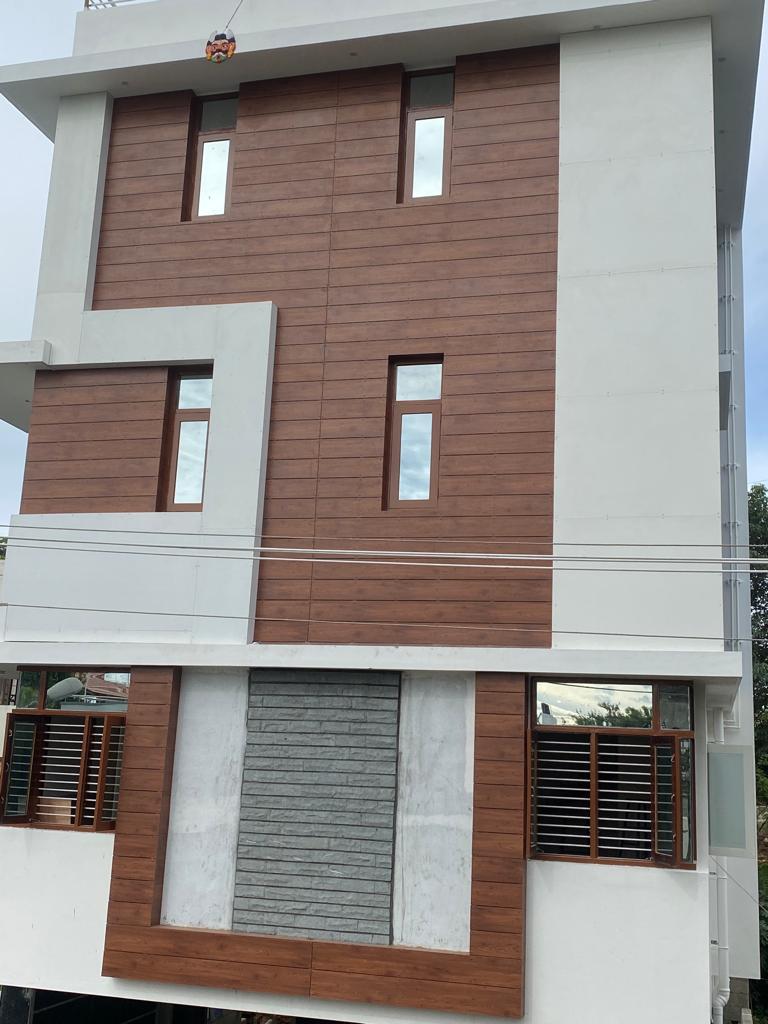
 HPL SurfacesArchitectural Surface 32
32
HPL SurfacesArchitectural Surface 32
32
Project selector
Match the material to the project.
Choose where the material will be used and what matters most. We will rank suitable references from the local catalog so you can compare finishes before requesting a project-specific recommendation.
Featured starting points
6 material matches
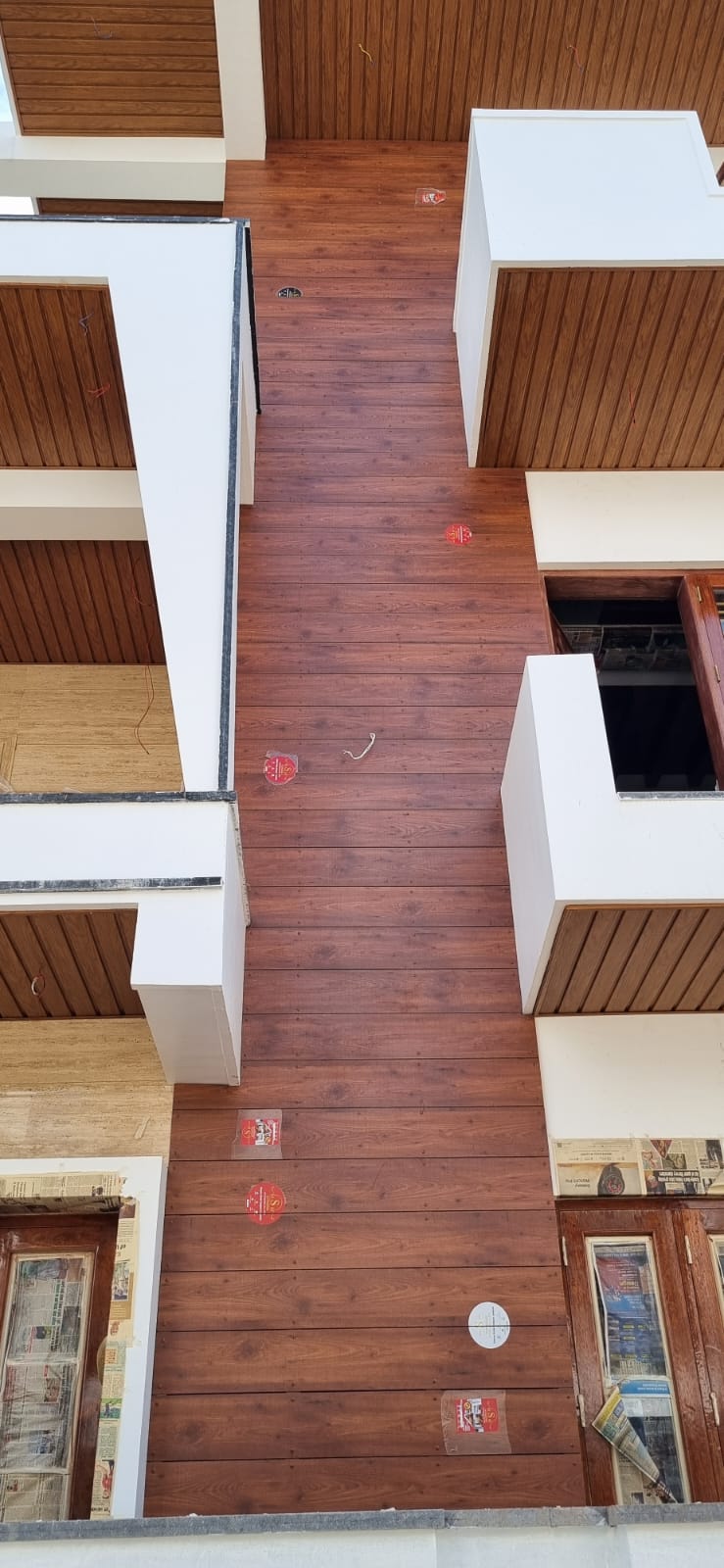
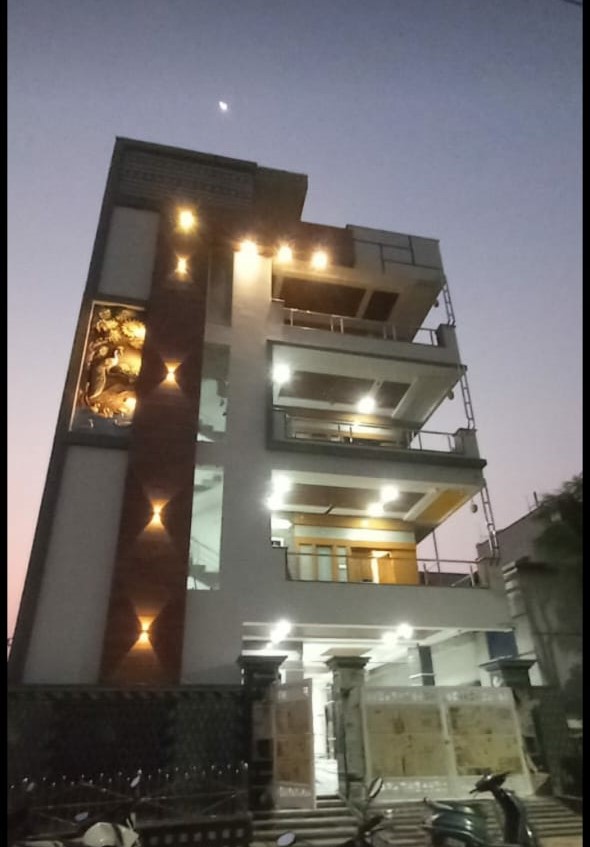



Before you specify
Useful questions, clear answers.
Practical guidance for early planning. Product-specific technical documentation takes precedence at final selection.
Should I choose WPC cladding or exterior HPL?
WPC is often selected for linear profiles, louvers, and a timber-like architectural rhythm. Exterior HPL is useful when the design needs larger flat panels, crisp joints, and a broad surface palette. Exposure, substructure, fire requirements, and desired joint pattern should decide the final specification.
Can the same material be used on a facade and a gate?
Sometimes, but the fixing method and support frame differ. Gates move and vibrate, so panel size, edge clearance, weight, and mechanical fixing details must be checked separately from a fixed wall application.
How much extra material should a project allow?
A measured layout should account for cuts, pattern alignment, corners, openings, and replacement stock. The correct allowance depends on profile direction and panel module, so confirm the final quantity after elevation drawings or site dimensions are reviewed.
Are the displayed prices final installed rates?
No. Listed prices are indicative starting points. Final material and installation costs depend on product, quantity, subframe, elevation height, edge details, transport, access, and site conditions.
What information makes a quotation more accurate?
Share the city, approximate area, wall or gate dimensions, reference photos, preferred finish, building height, substrate condition, and target timeline. Elevation drawings are especially helpful for joint and quantity planning.
Do exterior panels need an air gap behind them?
Many rainscreen-style systems use a ventilated cavity and engineered subframe. The exact build-up depends on panel type, wall construction, moisture strategy, and manufacturer guidance. It should be confirmed before installation.
How should exterior cladding be cleaned?
Routine care generally starts with water, a soft cloth or brush, and a mild non-abrasive cleaner. Avoid aggressive solvents or tools until the selected product's care guidance has been confirmed.
Can cladding be installed over an existing finish?
Potentially, after the substrate and support system are assessed. Loose finishes, moisture problems, alignment, fixing capacity, and clearances around openings must be resolved rather than concealed.
Are dark finishes suitable for full sun?
Dark surfaces can absorb more heat and may show dust or movement differently. Product grade, panel size, expansion allowance, fixing design, and facade orientation should be reviewed together.
Does the matcher replace technical specification advice?
No. It organizes relevant visual references from this catalog. Final product selection must be confirmed against project drawings, local requirements, substrate, exposure, and current manufacturer documentation.